Touch Builds Resilience: What Babies Are Really Asking For
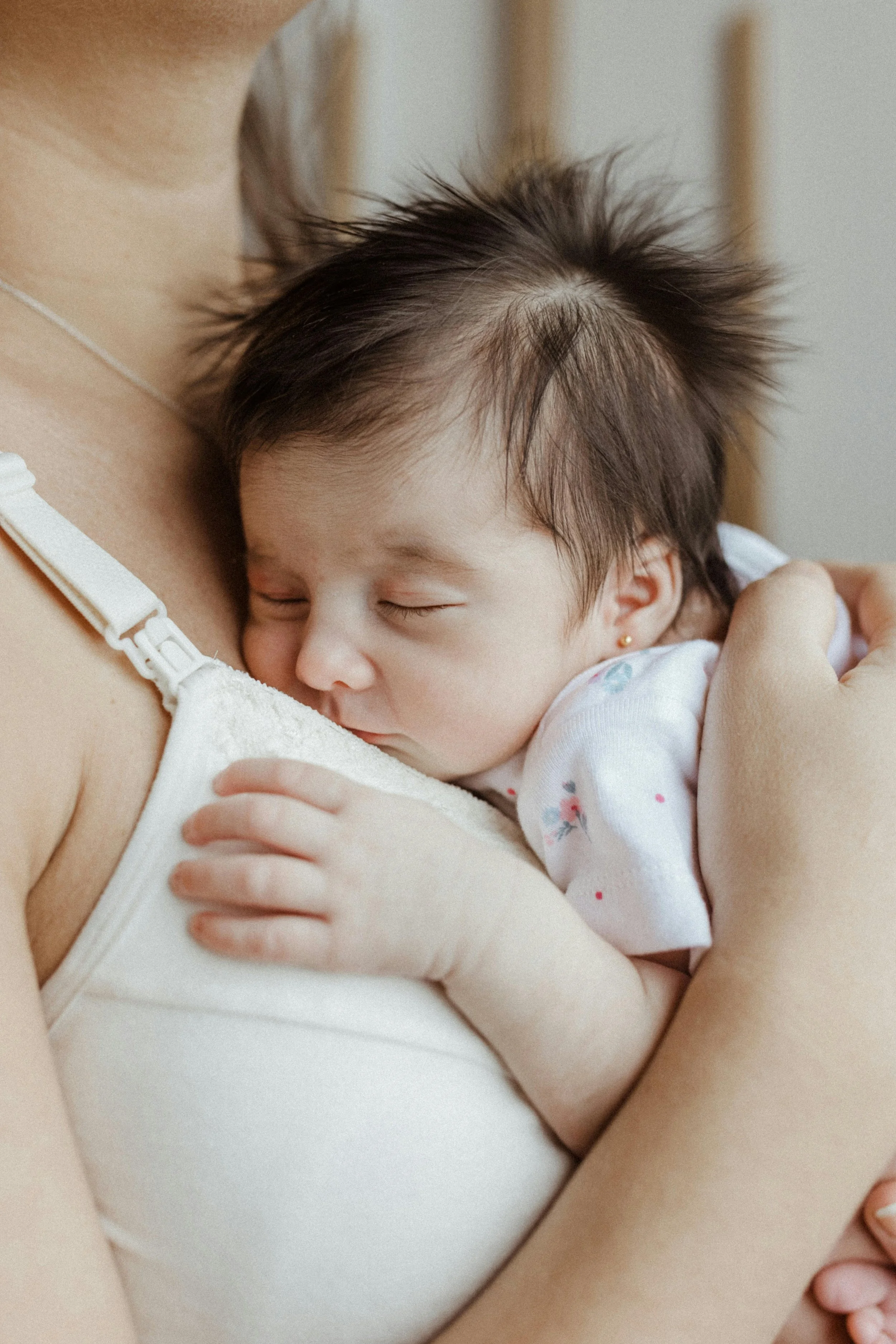
If there is one thing I’ve learned across my 39 years of working with babies and their families, it’s this:
Touch isn’t a luxury for a baby. It’s a lifeline.
For nine months, a baby is cocooned in the most exquisitely sensory environment imaginable.
They are held, cradled, swayed, rocked, rhythmically massaged from the inside by Mum’s breathing, heartbeat, and movements. They listen to the soft muffled world around them — Mum’s voice, Dad’s deeper tones, siblings chatting, the family dog barking, and even the emotional “weather system” in the household.
And babies feel far more than we often realise.
They sense Mum’s touch as her hands rest on her belly.
They respond to gentle caresses and the loving pressure of a partner’s hand joining in.
They experience warmth, vibration, emotion, connection… all before they ever take their first breath.
So is it any wonder that when a baby is born, they crave that closeness?
It’s not a preference — it’s survival.
Touch helps them settle, feel safe, and regulate their rapidly developing little nervous systems. It’s how they begin building resilience — their inner “grit.”
When parents understand their baby’s cues — their Baby Body Language — they become beautifully attuned to how much touch, movement, or closeness their child needs in any moment. This connection lays the foundation for trust, confidence, and secure attachment.
And here’s something that might surprise you…
Research shows that babies who sleep close to a parent receive around 13,000 more hours of touch by age three.
Far from creating “bad habits,” this extra touch strengthens healthy development in powerful ways.
Physical closeness supports:
Nervous system regulation
Immune strength
Emotional stability
Brain development
A sense of safety and belonging
Early touch and skin-to-skin contact don’t create dependency — they create capacity.
They build a child’s ability to handle stress, form healthy relationships, and feel at home in their own body.
These early acts of love are not spoiling.
They are science in action.
They are nature’s design for healthy development.
And helping parents feel confident in offering this closeness is essential.
No mother, father, or partner should ever be criticised for responding to their baby’s need for touch. It is not indulgence — it is wisdom, instinct, and care.
— Anne Matthews
Baby Body Language Expert & Reflective Parenting Coach